Behind the Mask
How generations of women learned to hide autism in plain sight and why the system is only now starting to recognize them.

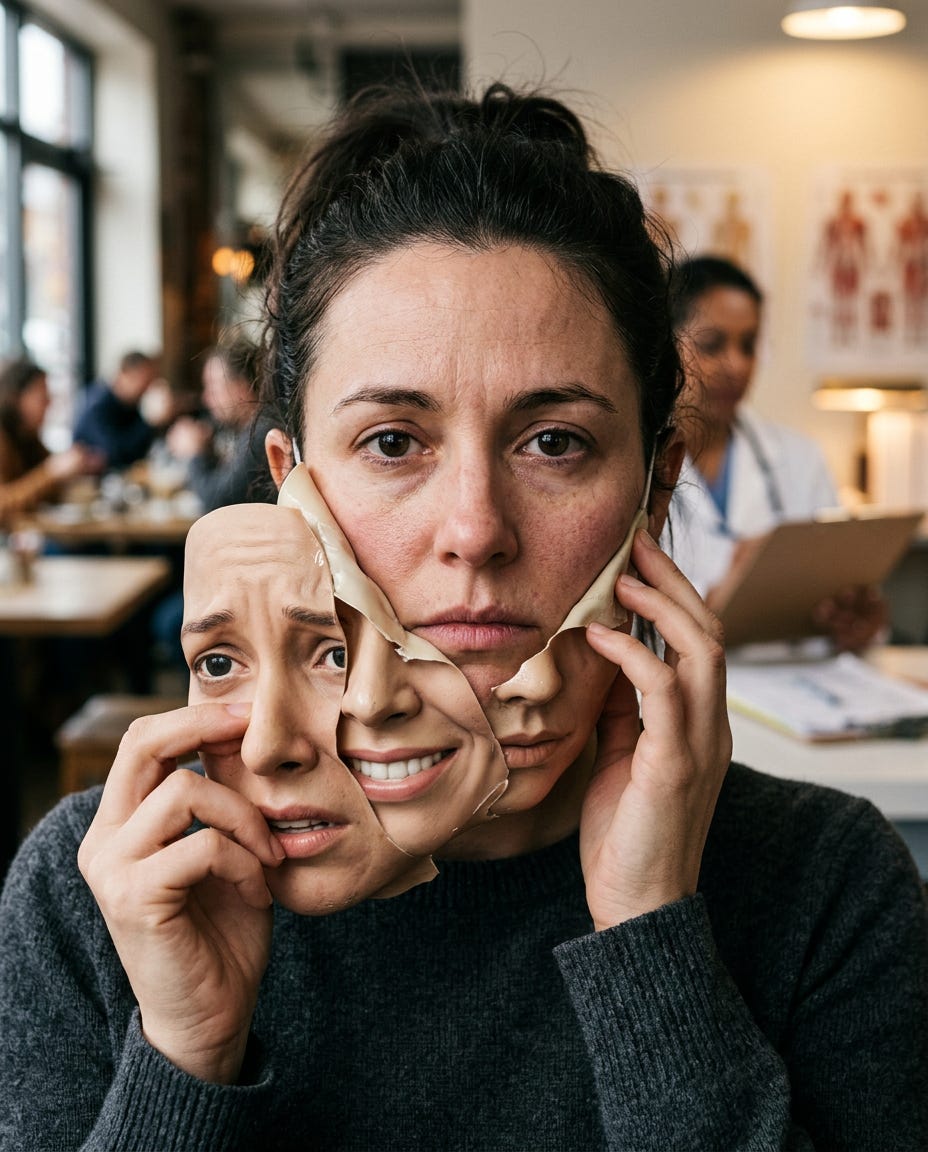
For decades, autism was framed as a condition that primarily affected boys and the data seemed to support it. Boys were diagnosed at nearly four times the rate of girls. But that narrative is now being challenged, not because autism is suddenly more common in women, but because it was likely missed all along. Today, a growing body of research—and a surge in late-life diagnoses—is forcing a reevaluation of how autism presents, who gets identified, and why so many women were overlooked for years.
According to Autism Speaks, girls are still about four times less likely to be diagnosed than boys and typically receive that diagnosis later. But the gap is closing rapidly. Between 2011 and 2022, autism diagnoses in girls and women more than tripled, rising faster than in males. This isn’t a sudden increase in autism. It’s a correction in recognition.
At the center of this shift is a fundamental problem: autism research, diagnostic criteria, and clinical understanding have historically been built around male presentations. For years, clinicians were trained to look for traits more commonly observed in boys—visible social withdrawal, repetitive behaviors, and externalized challenges. But autism in girls often looks different. It can be quieter, more internalized, and easier to miss.
Many autistic girls learn early how to adapt. They study social interactions, mimic behaviors, and develop coping strategies that allow them to blend in. This phenomenon, known as masking, can delay or completely obscure diagnosis. As one research summary explains, autistic females often “camouflage their symptoms,” making them harder for clinicians, teachers, and even families to identify. The result is a generation of women who spent childhood undiagnosed, often misunderstood as shy, anxious, or struggling with unrelated mental health conditions.
That misinterpretation has real consequences. Studies show that autistic women are significantly more likely to be misdiagnosed with anxiety disorders, depression, or personality disorders before receiving an accurate autism diagnosis. In many cases, autism is not missed entirely. It is overshadowed by other labels that better fit outdated expectations.
Recent large-scale research reinforces the idea that the gender gap in autism may be more about timing than prevalence. A study tracking millions of individuals found that while boys are diagnosed earlier, rates between males and females become nearly equal by adulthood. In other words, girls aren’t less likely to be autistic. They’re more likely to be diagnosed later.
There are also cultural factors at play. Social expectations often reward girls for being compliant, quiet, and socially adaptable—traits that can mask underlying differences. Interests that might signal autism in boys are flagged as unusual, while similar patterns in girls, like intense focus on socially acceptable topics, are often overlooked. Add to that the fact that diagnostic tools were developed using predominantly male research samples, and the system becomes structurally biased toward missing female presentations.
The impact of late diagnosis is complex. For many women, receiving an autism diagnosis in adulthood is both clarifying and destabilizing. It can reframe a lifetime of confusion, offering an explanation for struggles that never fully made sense. But it also highlights years, sometimes decades, without appropriate support.
There are signs that the system is beginning to adjust. Increased awareness, broader diagnostic criteria, and more research focused on women are all contributing to the rise in diagnoses. But the shift also raises a larger question: how many women are still undiagnosed?
Current estimates suggest that 1 in 45 adults in the U.S. is autistic, yet diagnostic disparities remain, particularly among women. If recognition continues to improve, those numbers may not just increase—they may become more accurate.
What’s happening now is less about a surge in autism and more about a long-overdue correction. For years, the system was calibrated to see one version of autism. It is only now beginning to recognize the full spectrum, including the women who were always part of it.

