
CDC Director Nominee Pressed on Autism Science, Vaccine Messaging During Confirmation Hearing

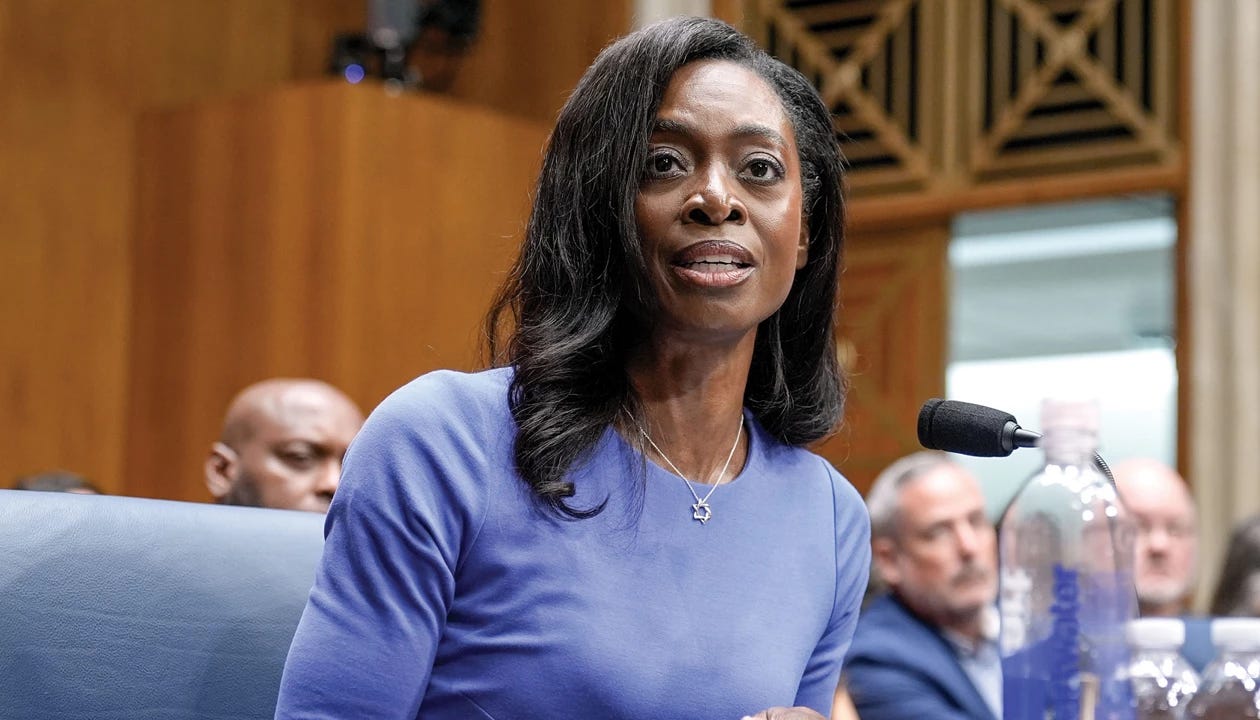
WASHINGTON — Autism and vaccines once again became the focus of a high-profile Senate confirmation hearing as lawmakers questioned Dr. Erica Schwartz, President Donald Trump’s nominee to lead the Centers for Disease Control and Prevention, about whether she would protect the agency’s scientific independence amid continued scrutiny of federal vaccine policy.
The hearing before the Senate Health, Education, Labor and Pensions Committee centered on concerns that the CDC could face political pressure to alter public messaging about vaccines and autism under Health and Human Services Secretary Robert F. Kennedy Jr., who has repeatedly questioned vaccine safety despite decades of research finding no causal link between vaccines and autism.
Sen. Bill Cassidy, R-La., a physician who chairs the committee, repeatedly asked Schwartz whether she would defend established science if challenged.
“Will you have the ability to say no to junk science, and to say yes to that which has been firmly established, and to stick up for what is actually right and true?” Cassidy asked during the hearing.
Schwartz responded that scientific evidence—not politics—would guide her decisions.
“I will never betray the science ever. I will go where the science leads us. I will not have predetermined answers or conclusions,” she told lawmakers.
Still, several senators expressed frustration that Schwartz declined to directly answer whether she would oppose Kennedy if asked to change CDC guidance or remove information supporting the scientific consensus on vaccines and autism. She repeatedly said she would lead with integrity while avoiding hypothetical questions about disagreements with the health secretary.
The exchange underscores how autism remains intertwined with national vaccine debates despite extensive scientific research spanning more than two decades.
According to the CDC, approximately 1 in 31 8-year-old children in the United States has been identified with autism spectrum disorder, reflecting continued increases in diagnosis and awareness. At the same time, researchers have conducted numerous large-scale studies involving hundreds of thousands of children in multiple countries examining whether vaccines contribute to autism. Those studies have consistently found no evidence of a causal relationship, a conclusion maintained by the CDC, National Institutes of Health, American Academy of Pediatrics and World Health Organization.
For many families, however, the recurring political debate feels disconnected from the daily realities of raising an autistic child.
Parents continue to navigate lengthy waitlists for diagnostic evaluations, shortages of behavioral and developmental services, increasing educational needs, and the transition to adulthood. According to federal education data, more than 900,000 students nationwide receive special education services under the autism eligibility category, making autism one of the fastest-growing disability classifications in public schools.
Advocates have increasingly argued that while vaccine questions continue to dominate headlines, families are searching for answers to different questions: How can children access therapies sooner? How can schools better support communication and independence? What happens when autistic students age out of special education?
The CDC itself faces a period of significant transition. The agency has operated without a permanent director for months while also confronting workforce reductions, leadership turnover and renewed public scrutiny over vaccine communication. If confirmed, Schwartz would lead one of the nation’s most influential public health agencies during a period of heightened political and scientific tension.
Whether Schwartz ultimately wins Senate confirmation remains uncertain, but the hearing demonstrated that autism is likely to remain at the center of national public health discussions.
For many families, though, the larger question is no longer whether vaccines cause autism—a question the scientific community considers settled—but whether national attention can shift toward improving the lives of the growing number of autistic children and adults already living with the condition.
As lawmakers debate scientific messaging in Washington, parents across the country continue to wait for expanded services, stronger educational supports, increased access to therapies and practical solutions that extend far beyond the vaccine debate.