Federal Autism Advisory Meeting Cancelled as Independent Scientists Convene
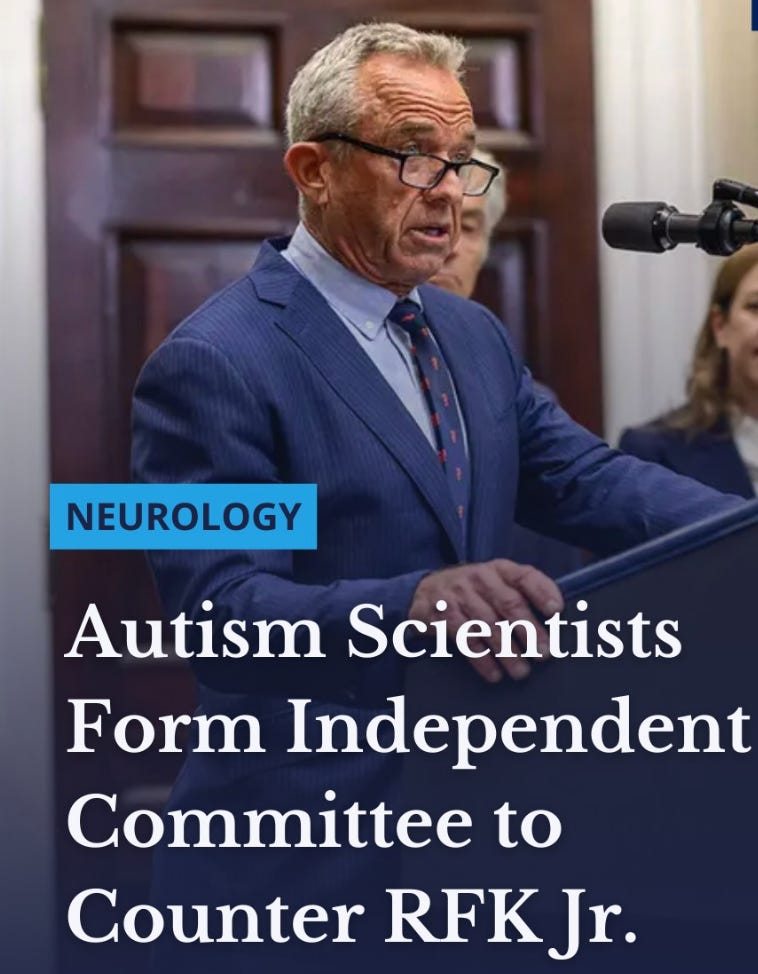
A scheduled meeting of the federal committee that guides autism research has been cancelled, just as an independent group of scientists announces plans to meet the same day.
A public meeting of the Interagency Autism Coordinating Committee — the federal body that helps guide national autism research priorities — has been cancelled, creating uncertainty around how discussions about the future of autism research and services will unfold this week.
The cancellation comes amid broader changes to the committee under Health and Human Services Secretary Robert F. Kennedy Jr., whose department recently overhauled the advisory board’s membership. The meeting had been expected to bring together federal agencies, researchers, clinicians, and community representatives to discuss current priorities in autism research and policy.
At the same time, a new effort is emerging outside of government.
Autism research and advocacy leaders have announced the formation of the Independent Autism Coordinating Committee (I-ACC), a group intended to coordinate work among non-governmental autism research funders. Organizers say the initiative is designed to help align research priorities across foundations and private organizations and to support the broader goal of developing a coordinated scientific agenda for the autism community.
The timing of the two developments, a cancelled federal advisory meeting and the launch of an independent coordination effort, reflects a moment of transition in the autism research landscape.
For families navigating autism today, that landscape can already feel complex. The path to diagnosis often involves long waits for developmental evaluations and limited access to specialists. After diagnosis, parents frequently find themselves navigating a patchwork of therapies, medical advice, educational services, and research findings that can sometimes be difficult to interpret.
Over the past two decades, autism research has expanded rapidly. Advances in genetics, neuroscience, and early intervention have reshaped scientific understanding of the condition. But translating those discoveries into consistent guidance for families remains an ongoing challenge.
That gap between research, policy, and everyday experience is one reason advisory bodies like the Interagency Autism Coordinating Committee were created. The committee does not make laws or directly allocate funding, but it plays an important role in helping coordinate federal autism research efforts and in shaping national conversations about priorities and strategy.
The emergence of an independent coordinating effort suggests that researchers and advocacy organizations are also exploring ways to collaborate outside federal structures.
For families, the most pressing questions remain practical ones: how research translates into care, how services are accessed, and how information about autism is communicated clearly and responsibly.
At The Spectrum Dispatch, we’ll be following developments closely as this week’s events unfold. With changes underway in both federal and independent coordination efforts, the coming months could shape how autism research priorities are discussed — and how families receive the information they rely on to make decisions about care and support.