
Five Takeaways From RFK Jr.’s Latest Autism Interview
The latest interview touched on autism research, vaccines and federal health policy.

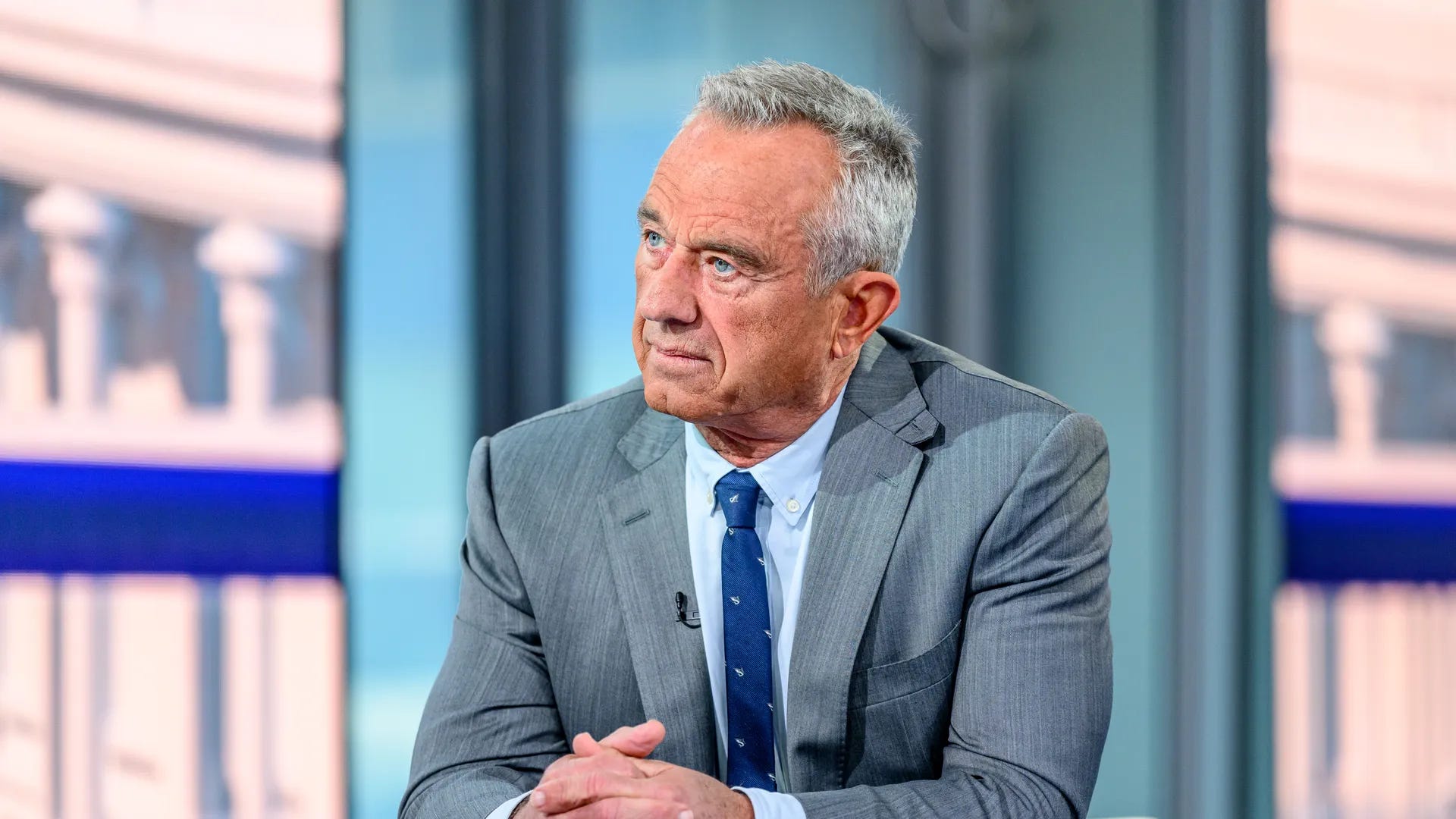
Health and Human Services Secretary Robert F. Kennedy Jr. returned autism to the national spotlight this week during a wide-ranging interview on CNN’s State of the Union. The nearly 20-minute discussion covered autism research, vaccines, environmental factors and public trust in government health agencies.
Whether families agreed or disagreed with Kennedy’s comments, the interview underscored that autism remains one of the country’s most closely watched public health topics. Here are five key takeaways from the conversation.
1. Kennedy says autism research remains one of his top priorities.
Throughout the interview, Kennedy repeatedly emphasized that understanding autism remains a major focus of the Department of Health and Human Services.
He argued that scientists should continue investigating possible contributors to autism rather than assuming existing explanations answer every question. During one exchange, Kennedy challenged CNN host Dana Bash to provide research supporting statements made during the interview, repeatedly saying, “Show me the study.”
As secretary of HHS, Kennedy oversees the Centers for Disease Control and Prevention, the National Institutes of Health and the Food and Drug Administration—agencies that collectively fund and conduct much of the nation’s autism research.
2. He continues to question whether all possible causes of autism have been adequately investigated.
Kennedy reiterated his longstanding position that environmental factors deserve additional scientific investigation. While he did not present new research during the interview, he argued that government agencies should continue exploring potential contributors to autism.
Scientists generally agree that autism results from a complex interaction of genetic and environmental influences. Researchers continue studying prenatal development, genetics, advanced parental age, premature birth and other factors. At the same time, decades of large epidemiological studies have not found evidence that routine childhood vaccines cause autism.
For many families, the question of why autism develops remains deeply personal. Although scientific consensus has evolved significantly over the past two decades, researchers continue investigating many aspects of autism’s underlying biology.
3. Kennedy’s comments drew immediate responses because of his position—not just his opinions.
Before becoming HHS secretary, Kennedy frequently spoke as a private citizen and presidential candidate. Today, his role carries considerably more influence.
The agencies he oversees help determine federal research priorities, distribute billions of dollars in research funding and shape national public health recommendations. As a result, comments made during national interviews are closely watched by researchers, healthcare providers and autism advocacy organizations.
Many medical experts responded after the interview by reiterating that extensive research has not established a causal relationship between routine childhood vaccines and autism while encouraging continued research into autism more broadly.
4. One of the interview’s biggest surprises had little to do with autism.
Kennedy also addressed the nation’s ongoing measles outbreak.
When asked whether parents should vaccinate their children against measles, Kennedy acknowledged that the measles, mumps and rubella (MMR) vaccine is effective in preventing measles and encouraged parents to vaccinate against the disease.
The comments represented one of his clearest public endorsements of the measles vaccine since taking office and received significant national attention alongside the autism discussion.
5. Families continue to say their biggest needs go beyond the national debate.
While questions about autism’s causes continue to generate headlines, many families remain focused on more immediate challenges.
Parents continue advocating for earlier diagnosis, improved access to therapies, better insurance coverage, stronger educational supports, expanded transition planning, adult housing options, employment opportunities and respite services for caregivers.
According to the Centers for Disease Control and Prevention, approximately 1 in 36 U.S. children has been identified with autism spectrum disorder. As that generation grows into adolescence and adulthood, families increasingly say that long-term supports—not political debate—remain their greatest concern.
The Bottom Line
Kennedy’s latest interview is unlikely to settle longstanding debates surrounding autism. It does, however, highlight that autism research will remain a significant focus of federal health policy during his tenure as secretary of Health and Human Services.
For families, the interview serves as a reminder that research continues to evolve, public discussion will continue, and the need for evidence-based information and meaningful supports remains as important as ever.