New ADHD Research Could Reshape How Some Autism Families Navigate Care
Researchers identified multiple ADHD “biotypes,” including one tied to severe emotional dysregulation.

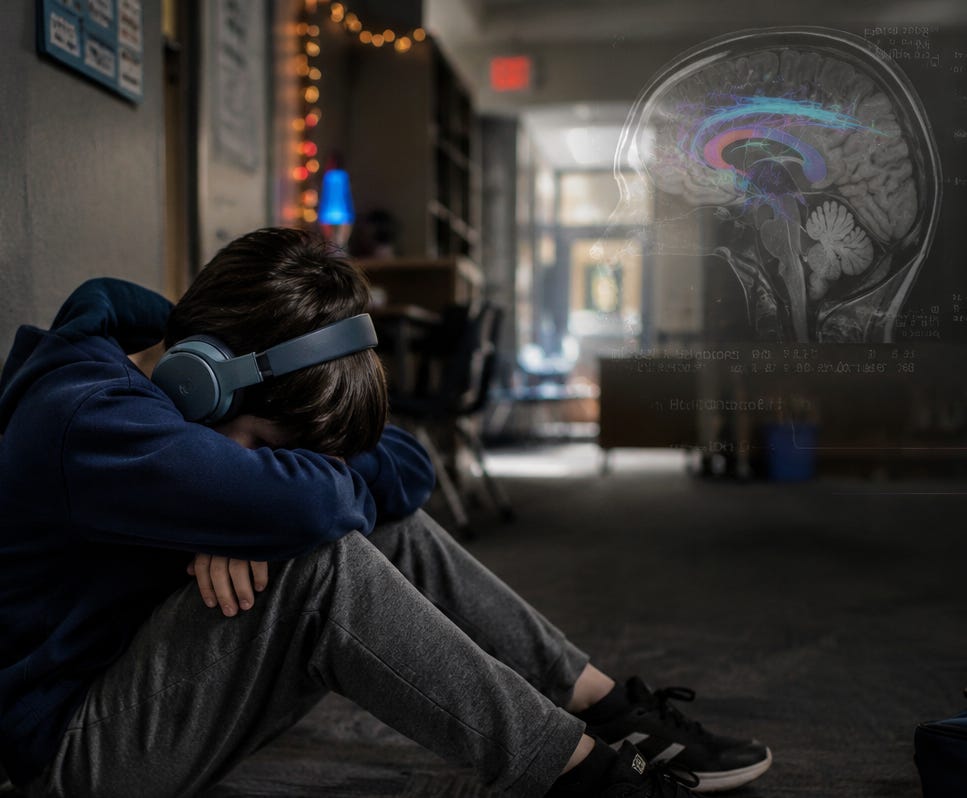
Researchers may have confirmed what many families have long suspected: ADHD may not be a single condition, but a group of neurologically distinct subtypes with different underlying brain patterns, behavioral presentations and support needs.
New brain imaging research identified multiple ADHD “biotypes,” including one severe subtype linked to emotional dysregulation — intense overwhelm, explosive emotional reactions and difficulty recovering once emotionally escalated. The findings suggest that two children carrying the same ADHD diagnosis may actually be experiencing very different neurological challenges beneath the surface.
For autism families, the implications could be significant.
The research arrives as increasing numbers of children are being diagnosed with both autism spectrum disorder and ADHD, two neurodevelopmental conditions that frequently overlap in ways families say are often poorly understood by schools, medical providers and support systems. Many families and advocates now use the term “AuDHD” to describe individuals who are both autistic and have ADHD, reflecting growing recognition that the conditions commonly co-occur while creating overlapping, but often distinct, support needs.
Many autistic children also experience impulsivity, executive functioning difficulties, sensory overwhelm, emotional regulation struggles and attention-related challenges commonly associated with ADHD. Parents often describe years spent cycling through therapies, behavioral plans, medication trials and school interventions with inconsistent or unpredictable results.
Some children respond well to stimulant medications. Others experience worsening anxiety, irritability or emotional volatility. Some thrive with structured behavioral systems and rewards. Others become more dysregulated under the same approaches.
The emerging research may help explain why.
Rather than viewing ADHD as a single disorder with a uniform treatment path, researchers are increasingly exploring whether it represents multiple neurologically distinct conditions grouped under one diagnostic umbrella. The recent brain imaging findings identified several subtypes with differing patterns in brain connectivity and functioning, including one associated with severe emotional dysregulation.
That subtype may resonate deeply with many autism families.
Emotional dysregulation — difficulty managing emotional responses once overwhelmed — is one of the most common and disruptive challenges reported by caregivers of neurodivergent children. Families often describe prolonged meltdowns, explosive reactions, shutdowns, aggressive behaviors or emotional spirals that can take hours to resolve.
In many cases, parents say those behaviors are misunderstood as defiance, poor parenting or intentional misconduct rather than neurological overwhelm. The distinction matters because it shapes how children are treated at home, in schools and within healthcare systems.
For years, parents of autistic and ADHD children have reported feeling trapped between systems that often fail to account for neurological complexity. Schools may respond to dysregulation through disciplinary measures, behavioral point systems or attendance interventions. Families may simultaneously struggle to access appropriate accommodations, evaluations, therapies or specialized placements.
Advocates say the result is a growing number of children whose underlying support needs are being treated primarily as behavioral problems.
The new ADHD findings are unlikely to change clinical practice overnight. Researchers caution that the science is still evolving and that more studies are needed before brain imaging can meaningfully guide diagnosis or treatment decisions on an individual level.
But experts say the research reflects a broader shift already underway in neuroscience and developmental medicine: moving away from one-size-fits-all approaches toward more personalized understandings of neurodevelopmental conditions.
For families, that shift could eventually influence everything from medication selection to therapy strategies and educational planning.
It may also raise new questions about how schools interpret emotional and behavioral challenges in neurodivergent students.
Across the United States, educators are continuing to grapple with rising rates of emotional and behavioral dysregulation among students following the COVID-19 pandemic. At the same time, parents of autistic and disabled students increasingly report conflicts with schools over suspensions, classroom removals, restraint practices, shortened school days and truancy enforcement tied to disability-related struggles.
Some parents say their children’s neurological overwhelm is still being viewed through a disciplinary lens rather than a disability framework.
The overlap between autism, ADHD and emotional regulation difficulties may further complicate those conversations.
Research has already shown high rates of co-occurrence between autism and ADHD. While diagnostic rules historically discouraged dual diagnoses, clinicians now recognize that many children meet criteria for both conditions simultaneously. Some studies estimate that a significant percentage of autistic individuals also exhibit ADHD traits or qualify for an ADHD diagnosis.
Families say the overlap can create unique challenges that do not fit neatly into traditional intervention models.
A child may struggle with sensory overload, impulsivity, social communication difficulties and emotional regulation simultaneously. One intervention may help attention while worsening anxiety. Another may reduce behavioral outbursts while increasing shutdowns or emotional exhaustion.
Parents often become the ones forced to piece together fragmented systems of care.
That reality has fueled growing frustration among caregivers who say support structures frequently lag behind the complexity of real-world neurodevelopmental profiles.
For some families, the new research feels validating.
Online discussions surrounding the findings quickly filled with parents describing years of feeling dismissed when trying to explain why conventional ADHD strategies were not working for their children. Others said the concept of neurologically distinct ADHD subtypes matched what they had long observed between siblings, classmates or peers carrying the same diagnosis but functioning in dramatically different ways.
Still, researchers caution against oversimplifying the findings or viewing the identified subtypes as fixed categories.
Neurodevelopmental conditions remain highly individualized, and experts emphasize that environmental factors, co-occurring conditions, trauma, sensory experiences and access to support systems all influence how symptoms present and evolve over time.
But the research may contribute to a larger rethinking already taking shape across autism and ADHD communities: whether current diagnostic labels are broad descriptions rather than precise neurological explanations.
That distinction could matter not only medically, but socially and educationally as well.
If future research confirms that different neurological pathways drive different ADHD presentations, advocates say it could eventually reshape how schools design supports, how clinicians approach treatment and how families understand the behaviors their children experience.
For now, many parents say the findings reinforce something they have known for years: neurodivergent children are not interchangeable, and support systems built around standardized behavioral expectations often fail to reflect neurological reality.
In upcoming coverage, The Spectrum Dispatch will examine the growing prevalence of co-occurring autism and ADHD diagnoses, as well as the increasing role emotional dysregulation is playing in school discipline, classroom removals, restraint practices and special education disputes nationwide.


