Silent Settlements: The Hidden Reality of Special Education Disputes on Long Island
With few public details and no clear reforms, school settlements raise questions about oversight and accountability.
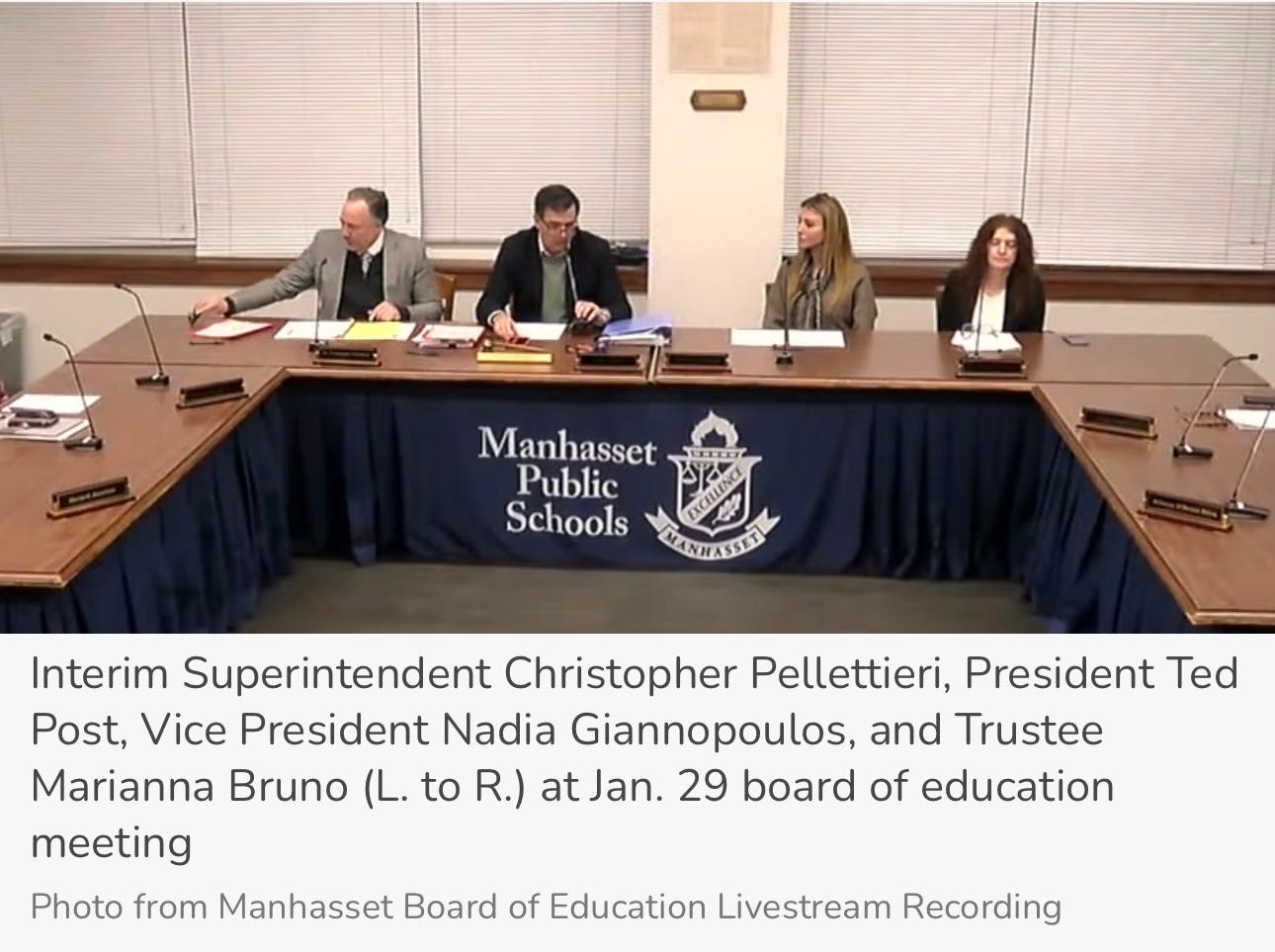
In early 2026, a quiet vote by the Manhasset Board of Education to approve a legal settlement drew little public attention, and even less public detail. The case, first reported by Long Island Press, involved a dispute between parents and the district, but like many school-related settlements across Long Island, the specifics were largely shielded from view. No follow-up disclosures. No public explanation of what changed. No clear accounting of cost, responsibility, or corrective action. It’s a familiar pattern in districts across Long Island, where legal resolutions—particularly those involving special education—are often handled behind closed doors, discussed in executive session, and finalized with confidentiality clauses that leave families and communities in the dark.
Across New York, and particularly on Long Island, these disputes are far from rare. According to the New York State Education Department, thousands of special education complaints, mediation requests, and due process hearings are filed each year, many of them resolved through private settlements before ever reaching a public decision. Federal data tied to the Individuals with Disabilities Education Act consistently shows New York among the states with the highest volume of filings, reflecting both the size of its student population and the frequency of disputes over services. Locally, cases across districts in Nassau County and Suffolk County have followed a similar pattern: families allege gaps in mandated services or appropriate placements, districts move to settle, and the outcome—financial terms, service changes, or policy shifts—remains largely confidential. Past disputes in districts such as Syosset Central School District, Great Neck Public Schools, and Smithtown Central School District have all surfaced publicly at the complaint stage, only to fade from view once resolved, leaving little record of whether systemic improvements followed. For advocates and families, the pattern reinforces a central concern: when the majority of cases end in silence, it becomes nearly impossible to track whether the same issues are repeating or being quietly paid to go away.
This lack of transparency raises larger questions about how school systems respond to disputes involving some of their most vulnerable students. Special education cases frequently center on whether districts are meeting their obligations under federal law, including the Individuals with Disabilities Education Act, which guarantees students the right to a free and appropriate public education. When disagreements escalate into legal action, settlements can resolve immediate conflicts, but they rarely provide insight into systemic issues. Advocates argue that without transparency, patterns go unnoticed: repeated complaints, gaps in services, or policies that quietly fail families year after year. For parents navigating the system, the silence can feel isolating, reinforcing a perception that accountability is negotiated privately rather than upheld publicly.
The Manhasset case is not an outlier. It is a window into a broader culture where legal closure often replaces public clarity. While districts may point to privacy protections and legal constraints, critics counter that transparency and student confidentiality are not mutually exclusive. Aggregate data, anonymized summaries, and policy updates could offer communities a clearer picture of how disputes are resolved and whether meaningful changes follow. As Long Island schools continue to face rising demands around special education services, the question remains: when settlements are reached, who gets to understand what was fixed. And who is left to wonder if anything was?