The New Workforce Model: How Neurodiverse Hiring Is Reshaping American Business
As companies rethink productivity and scale, neurodiverse hiring is emerging not as a social initiative but as a competitive advantage.
Across pockets of the United States, a quiet shift is underway in how companies think about hiring, productivity, and even profit. What began as a mission-driven effort to create employment opportunities for people with autism and other neurodivergent conditions is increasingly evolving into something more: a rethinking of how businesses are built.
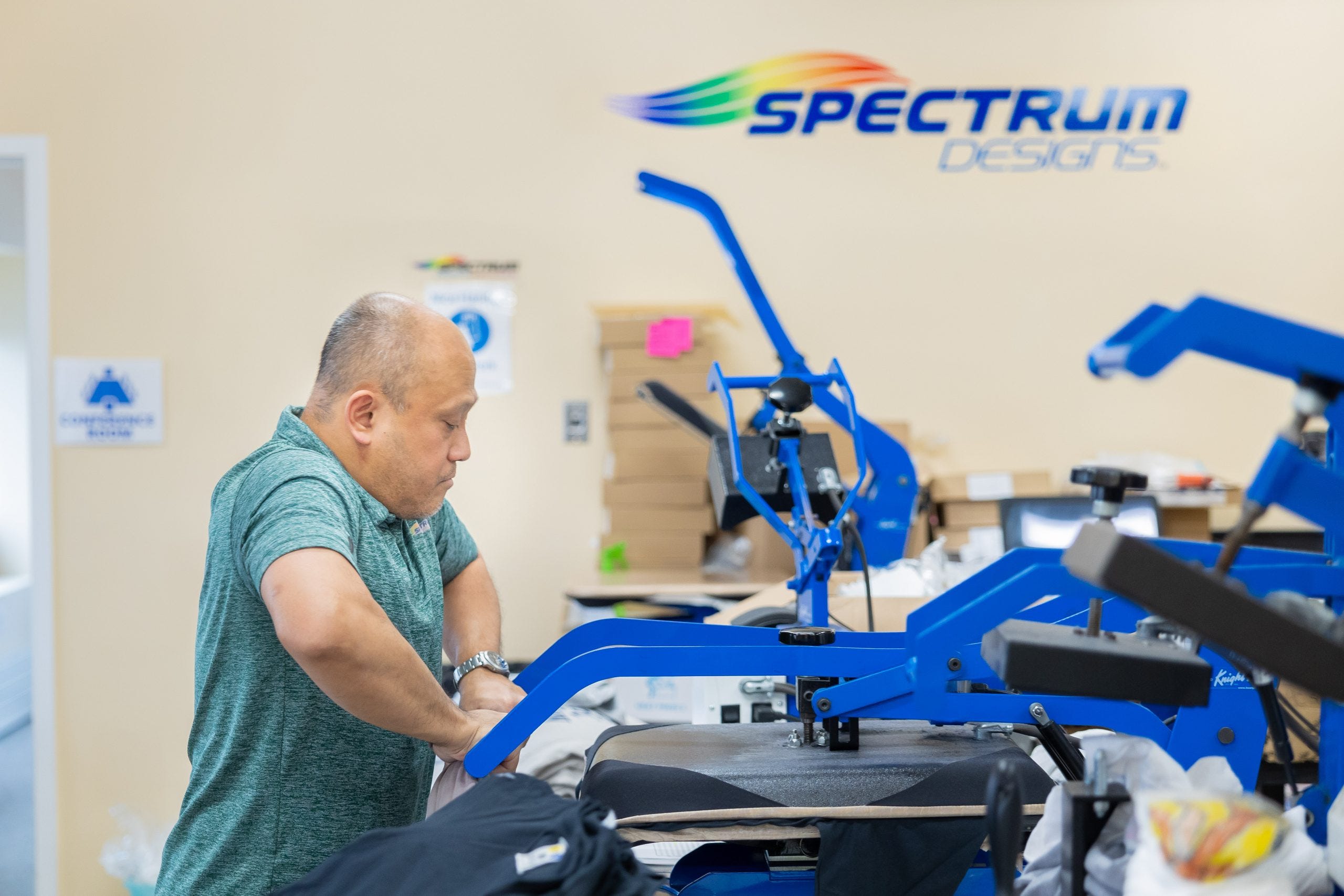
On Long Island, Spectrum Designs offers a clear example of that shift in action.
The custom apparel company, which employs a workforce that is more than 70% neurodivergent, was founded with a social mission—to create meaningful jobs for individuals on the autism spectrum. But over time, its model has proven something larger: inclusive hiring can also drive scale, quality, and growth. Today, Spectrum produces tens of thousands of items daily and works with major clients including Google, Uber, and JPMorgan Chase, while generating millions in annual revenue.
Its success stands in stark contrast to a national reality where an estimated 80–85% of autistic adults remain unemployed.
From Inclusion to Innovation
Companies like Spectrum Designs are part of a broader movement. One that is moving beyond traditional diversity initiatives and into business model design.
In these companies, neurodiversity is not treated as an accommodation. It is treated as an advantage.
Research and industry reporting have increasingly pointed to strengths often associated with neurodivergent employees, including heightened attention to detail, pattern recognition, consistency, and analytical thinking.
Those traits are not incidental, they are being built into how companies operate.
Global firms like Specialisterne and Auticon have structured entire businesses around this premise. Specialisterne, founded in Denmark, trains and employs neurodivergent individuals in fields like software testing and data management, where precision and pattern recognition are critical.
Auticon, which operates internationally, employs a workforce that is majority neurodivergent and provides IT consulting services to corporate clients—embedding support systems and coaching into its operational model.
A Talent Pool Hiding in Plain Sight
The shift is also being driven by necessity.
An estimated 15–20% of the population is neurodivergent, yet many remain underemployed or excluded from traditional hiring pipelines. At the same time, companies are struggling to fill roles that require high levels of focus, accuracy, and repetition—skills that neurodivergent workers often excel in.
Some companies are beginning to close that gap.
Major corporations including SAP, Microsoft, and JPMorgan Chase have launched targeted neurodiversity hiring programs, adapting interview processes and workplace environments to better support these employees.
Startups and smaller firms, meanwhile, are going a step further—building entire teams around neurodiverse talent and reporting measurable gains in productivity and quality. In some cases, companies leveraging neurodivergent workers in data and AI-related roles have reported accuracy rates as high as 97%.
Redesigning Work Itself
What makes this movement distinct is not just who is being hired—but how work is being structured.
At companies like Spectrum Designs, roles are often broken down into clear, repeatable tasks. Visual systems, job coaching, and predictable workflows are integrated into daily operations. Rather than asking employees to adapt to traditional workplace norms, the workplace is adapted to the employee.
The result is not only increased accessibility—but often greater efficiency and consistency.
“There are miracles going on here every day,” one employee said, a sentiment that captures a workplace where people once excluded from the workforce are now driving real production and growth.
In some cases, neurodivergent employees are not just participating in the workforce—they are training others, including neurotypical colleagues.
A Movement Still in Pockets
Despite its growth, the neurodiversity employment movement remains uneven and largely decentralized.
Programs and companies are often clustered in specific regions—Long Island, parts of California, pockets of the Midwest, and international hubs tied to organizations like Specialisterne. Access to these opportunities can depend heavily on geography, local leadership, and individual company initiatives.
At the same time, many employers still hesitate, citing uncertainty about accommodations or a lack of understanding of how to build inclusive systems.
Advocates say that hesitation reflects a broader misconception: that hiring neurodivergent individuals requires lowering expectations, rather than rethinking how work is structured.
Beyond Employment
For families, the impact of these models extends beyond paychecks.
Employment is often tied to independence, social integration, and long-term stability—areas where support systems frequently fall short after individuals age out of school-based services.
Companies like Spectrum Designs were, in part, created to address that gap—the moment many families refer to as “when the bus stops coming.”
A Different Way Forward
What is emerging is not just a workforce trend, but a potential shift in how businesses define value.
In a labor market increasingly shaped by automation, data, and precision-based work, the skills associated with neurodiversity are becoming not just relevant—but essential.
And in a system where millions remain excluded from traditional employment, these models are doing more than creating jobs.
They are demonstrating that when companies design for inclusion from the start, they are not just expanding opportunity, they are building better businesses.