THEY’LL PAY A STRANGER BUT NOT ALWAYS A PARENT
THE PATCHWORK SYSTEM OF PAID CAREGIVING IN AMERICA
Across the United States, a quiet but consequential policy question continues to shape the lives of families raising children with disabilities: who gets paid to provide care and who doesn’t.
In theory, every state offers some pathway for family members to be compensated as caregivers through Medicaid-funded programs. In practice, the rules vary widely, and for many parents, especially those caring for children under 18, getting paid to care for their own child remains complicated, inconsistent, or out of reach.
Most states operate what are known as “consumer-directed” or “self-directed” care programs, which allow individuals receiving Medicaid to choose their own caregiver rather than relying on a home care agency. These programs, available in nearly every state, often permit the hiring of relatives—including, in some cases, parents.
But the distinction lies in the details.
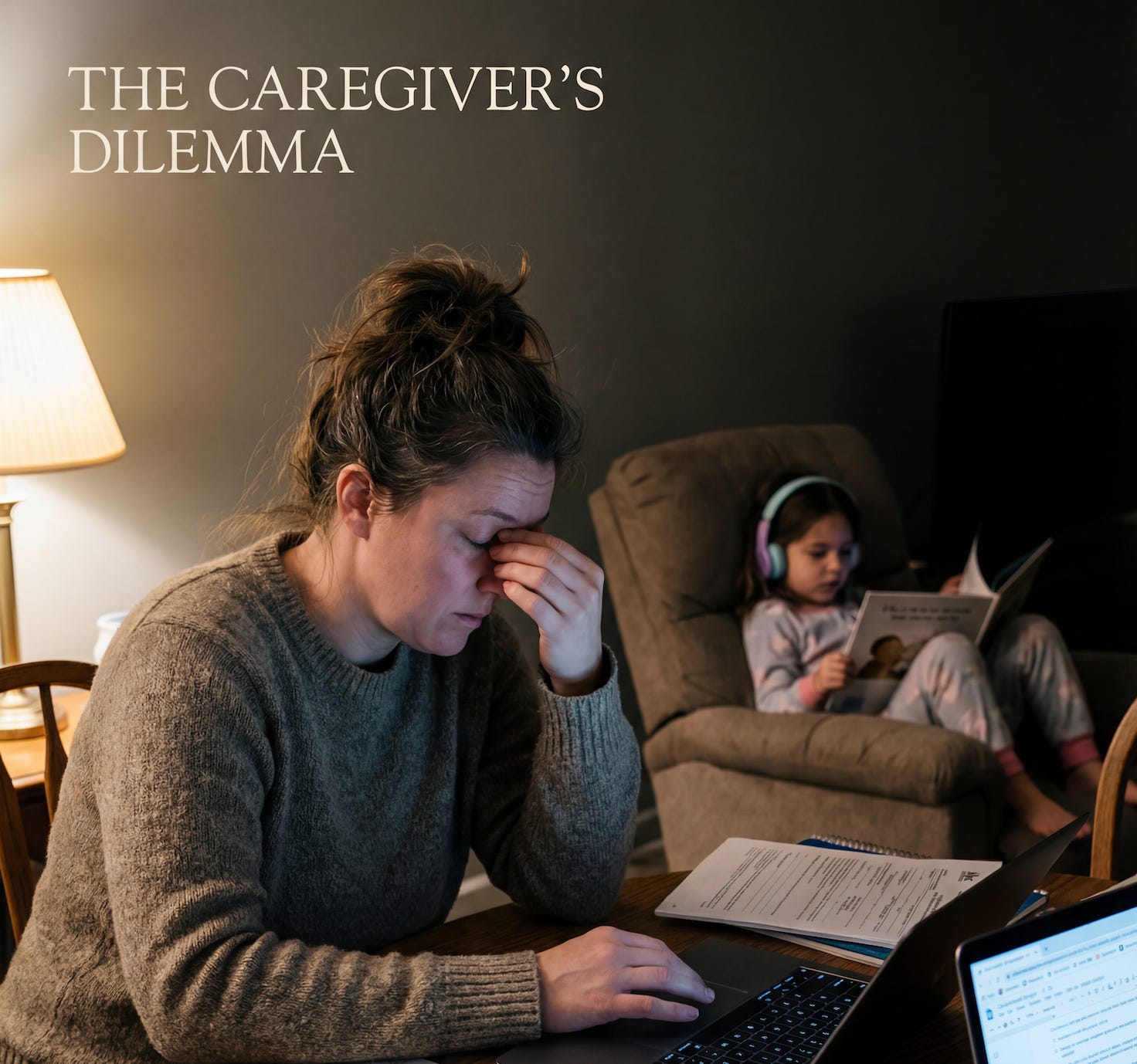
A System Built to Pay Care But Not Always Parents
While all states fund some form of paid caregiving through Medicaid, far fewer consistently allow parents of minor children to be paid for providing that care.
Instead, many programs are structured around the idea that parents are “legally responsible” for their child’s care, regardless of how intensive that care may be.
The result is a paradox. A state may approve hours of care for a child with significant needs, but require that care to be delivered by a third-party aide, even if a parent is already providing it. In some cases, exceptions exist. States may allow parents to be paid if:
The child has extraordinary medical or behavioral needs
No outside caregiver is available
The parent has left the workforce due to caregiving demands
But even then, access is often tied to specific waivers, approvals, or temporary policies.
Where Parents Are More Likely to Be Paid
Some states have expanded programs that more clearly allow parents to be compensated caregivers, often through Medicaid waivers or state plan options.
States frequently cited for broader access include:
California (through its In-Home Supportive Services program)
New York (Consumer Directed Personal Assistance Program)
New Jersey, Oregon, Washington, and Hawaii
Other states—including Colorado, Florida, Pennsylvania, and Minnesota—offer waiver programs or specialized pathways that may allow parents to be paid under certain conditions.
Some states have gone further, creating programs where parents can become certified caregivers or aides for their own child, effectively formalizing what many families are already doing.
Still, even in these states, eligibility rules can be strict, age restrictions can force families to wait, and access is often limited by waitlists or funding caps.
Where Barriers Still Exist
In some states, particularly those with more restrictive waiver policies, parents of minor children may face significant limitations.
Some states:
Only allow payment when the child turns 18
Restrict payment to respite or limited hours
Do not allow parents to be paid at all unless under temporary or emergency provisions
For example, certain states continue to limit compensation for parents of minors, even as they expand support for adult caregiving.
Advocates say these policies fail to reflect the reality of modern caregiving—especially for children with profound autism, medical complexity, or behavioral challenges that make outside care difficult to secure.
New York and OPWDD vs. CDPAP
In New York, the structure of paid caregiving is largely shaped by the Office for People With Developmental Disabilities (OPWDD), and for many families, the rules around parent compensation remain complex and limited, particularly for children under 18.
While New York offers one of the country’s more flexible consumer-directed programs through the Consumer Directed Personal Assistance Program (CDPAP), access to parent pay is not guaranteed for families of minors within the OPWDD system.
In practice, many families encounter restrictions such as:
Payment for caregiving being more readily available once an individual turns 18
Services for minors often structured around habilitation or respite, rather than ongoing paid parent caregiving
Limits on parents serving as paid caregivers unless specific criteria or program pathways are met
Even when a child is approved for services, families may still struggle to align those supports with the reality of day-to-day care, particularly when outside workers are unavailable or not a good fit.
Advocates across New York point to a disconnect between policy and lived experience. For families raising children with profound autism, medical complexity, or significant behavioral needs, caregiving often extends far beyond what traditional service models account for.
The result is a system where supports exist but don’t always translate into accessible, sustainable care for the families who need them most.
A Growing Shift Toward Home-Based Care
The push to allow more family caregiving is not just philosophical, it is also practical. Across the country, states are grappling with severe shortages of home health workers, rising costs of institutional care, and increased demand for in-home support.
Medicaid-funded home and community-based services (HCBS) programs were designed, in part, to keep individuals out of institutions by supporting care at home. Paying family caregivers is increasingly seen as part of that solution.
Research has also shown that self-directed care models where families choose their caregivers can improve outcomes and quality of life.
The Reality for Families
For many parents, the issue is not theoretical, it is financial. Providing full-time care often means leaving the workforce, losing income and benefits, and managing complex medical or behavioral needs without formal compensation
At the same time, families may be approved for care hours they cannot use because agencies are understaffed or unavailable. The result is a system where care is authorized, but not always accessible. And where parents, despite providing that care every day, are not always recognized as part of the workforce delivering it.
A System Still in Transition
Momentum is shifting. More states are exploring ways to expand paid family caregiving, particularly as workforce shortages deepen and demand for home-based care grows.
But for now, the system remains uneven—defined less by a national standard than by a state-by-state patchwork of waivers, policies, and exceptions.
For families navigating disability, the difference between states can mean the difference between staying home to care for a child or being forced to search for outside help that may not exist.
And in many cases, the question remains unresolved: Why is the system built to pay for care but not always the person already providing it?


