What Is a Developmental Pediatrician? (And Do You Really Need One?)
Families are often told to call one. Here’s what developmental pediatricians actually do, why waitlists are so long, and whether your child really needs an appointment.

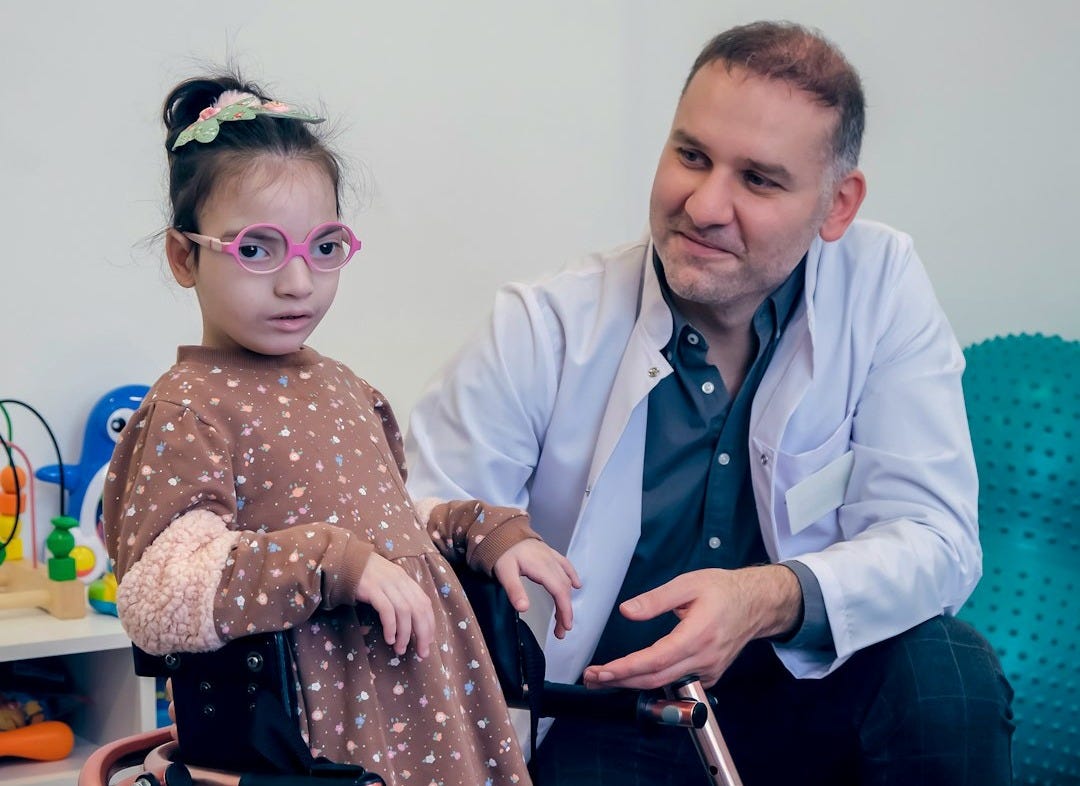
For many families, the recommendation comes almost immediately after concerns about a child’s development begin to emerge.
A toddler isn’t speaking on time. A preschooler struggles to interact with peers. A teacher raises concerns about attention, behavior or learning. Parents mention autism, ADHD or developmental delays to their pediatrician and often hear the same advice: “You should see a developmental pediatrician.”
For some families, that recommendation can feel reassuring. For others, it marks the beginning of a frustrating journey through waitlists that can stretch six months, a year or even longer. Yet despite the growing demand for developmental pediatricians, many parents remain unclear about what these specialists actually do, whether their child truly needs one and what options exist if an appointment isn’t available.
A developmental pediatrician is a medical doctor who specializes in child development and behavior. After completing medical school and a pediatric residency, these physicians undergo additional fellowship training focused on developmental, behavioral and learning differences in children.
Unlike therapists, educators or psychologists, developmental pediatricians are trained to examine the broader relationship between a child’s medical history, development, behavior, learning and family environment. Their role often involves identifying developmental conditions, coordinating care among multiple providers and helping families understand the full picture of a child’s needs.
Developmental pediatricians commonly evaluate children for autism spectrum disorder, attention-deficit/hyperactivity disorder, intellectual disabilities, global developmental delays, speech and language delays, learning differences and behavioral concerns. They may also assess children who were born prematurely or who have complex medical histories that could affect development.
The process is often far more comprehensive than many families expect.
Parents sometimes imagine a single test that will provide a definitive answer. In reality, developmental evaluations typically involve extensive interviews with caregivers, reviews of medical and educational records, developmental assessments and direct observation of the child. A specialist may gather information from teachers, therapists and other providers before making recommendations.
The goal is not simply to assign a diagnosis. It is to understand how a child functions across environments and determine what supports may be needed at home, in school and in the community.
That distinction is important because not every child who is referred to a developmental pediatrician actually needs one.
Many developmental conditions can be evaluated through other pathways. Clinical psychologists frequently conduct autism assessments. Pediatricians often diagnose and manage ADHD. Speech-language pathologists evaluate communication delays. Schools can conduct educational evaluations to determine eligibility for special education services.
In some cases, families may receive answers and begin services without ever seeing a developmental pediatrician.
These specialists are often most valuable when the situation is more complicated. A child may present with overlapping symptoms that do not fit neatly into a single diagnosis. Parents and schools may disagree about what is driving a child’s struggles. Medical concerns may exist alongside developmental differences. In those situations, developmental pediatricians can help connect the dots.
Unfortunately, accessing that expertise has become increasingly difficult.
Across the United States, families face significant shortages of developmental pediatricians. Demand has surged in recent years as awareness of autism, ADHD and other developmental conditions has increased. Pediatricians are screening children earlier and more frequently. Parents are seeking evaluations sooner. Schools are identifying more students who may need support.
At the same time, the number of specialists has not kept pace.
The result is a growing gap between need and availability. In some regions, families wait more than a year for an appointment. Rural communities may have little or no local access to developmental pediatricians at all. Families often travel long distances or join multiple waitlists in hopes of securing an evaluation.
For parents, those delays can feel devastating, particularly when they believe services depend on obtaining a diagnosis.
However, experts consistently emphasize that families should not wait for a developmental pediatrician appointment before pursuing support.
Children can receive speech therapy, occupational therapy and other interventions while awaiting an evaluation. Parents can discuss concerns with their primary care provider. School districts are required to evaluate students suspected of having disabilities regardless of whether a medical diagnosis exists. Younger children may qualify for Early Intervention services based on developmental delays alone.
In other words, a developmental pediatrician may provide important answers, but families should not view the appointment as the sole gateway to help.
The larger issue extends beyond individual waitlists.
The growing demand for developmental pediatricians reflects a broader challenge facing disability and developmental services nationwide. Families are often told that evaluations and diagnoses are the key to accessing support. Yet the specialists responsible for providing those evaluations remain in critically short supply.
As autism prevalence continues to rise and developmental concerns are identified earlier than ever before, policymakers and health systems face difficult questions about workforce capacity. Who evaluates children when specialists are unavailable? How can communities reduce wait times? What role should pediatricians, psychologists and schools play in filling the gap?
For families navigating developmental concerns today, those questions are not theoretical. They shape how quickly children receive answers, services and support.
A developmental pediatrician can be an invaluable resource, particularly when a child’s needs are complex or unclear. But the reality is that many families will spend months waiting for an appointment. Understanding what these specialists do — and what they do not do — can help parents make informed decisions while continuing to pursue the services their children need.
The most important thing for families to remember is that waiting for an evaluation does not mean waiting to act. Support, intervention and advocacy can begin long before a developmental pediatrician walks into the room.

