
Who Gets to Exist in Children’s Books?
Picture books shape how children see the world. But when autistic kids are nearly invisible in them, the message is louder than we realize.

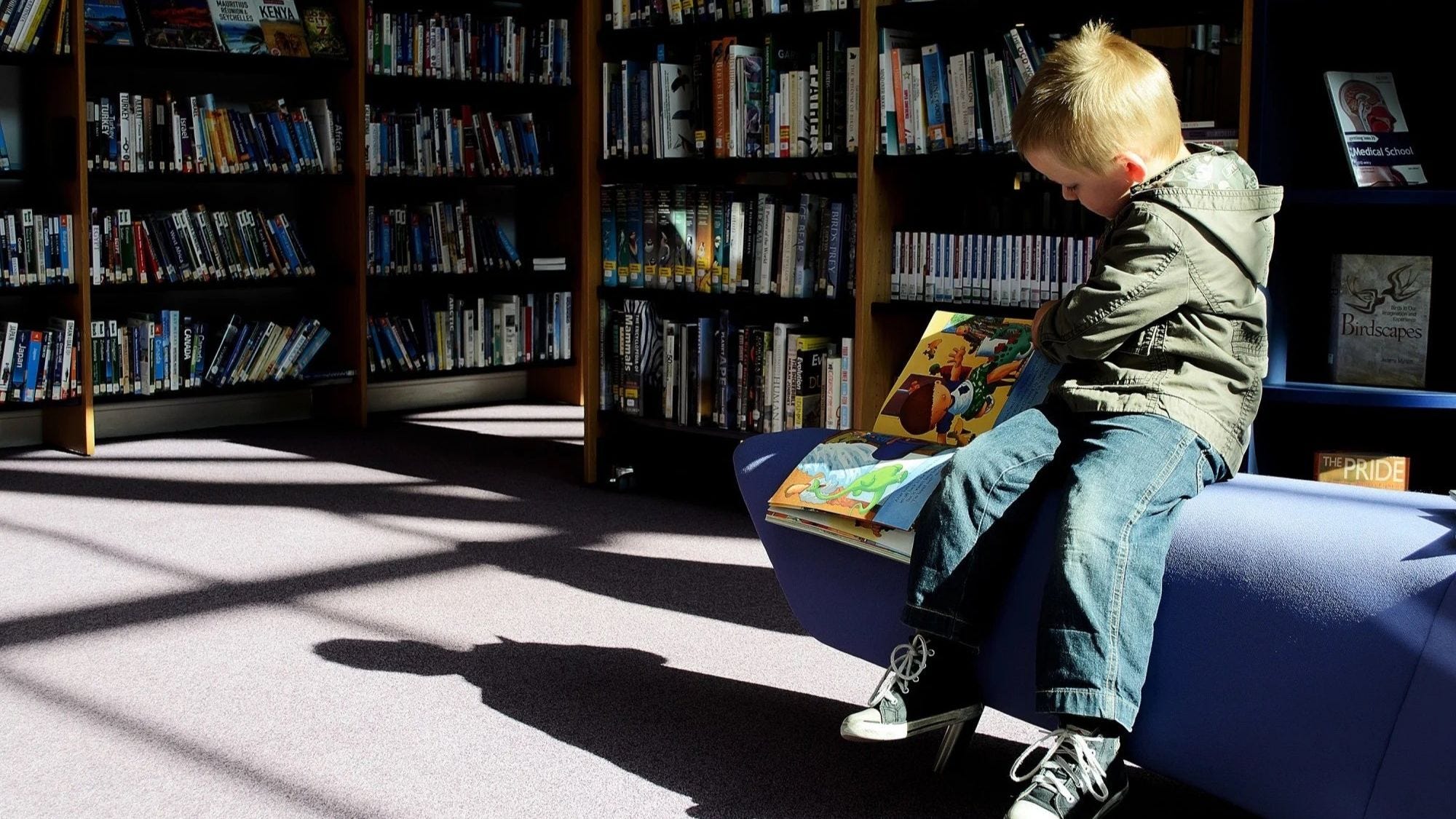
Walk into any bookstore.
You will find thousands of picture books about dragons, princesses, trucks, monsters, friendship, bedtime routines, and magical forests. Picture books are one of the most dominant forms of children’s media.
According to publishing industry estimates, more than 30,000 new children’s books are published every year, and picture books make up a huge portion of that market. Over the past several decades, experts estimate there are well over 100,000 picture books currently in circulation globally.
Now here is the uncomfortable statistic.
When researchers, librarians, and advocacy organizations catalog picture books featuring autistic characters, the lists rarely exceed 50–100 titles worldwide.
Let that sink in.
Out of hundreds of thousands of picture books, only a tiny fraction represent autistic children.
And even within that already small group, many of the books are not written for autistic children. They are written about autism to explain it to neurotypical readers.
There’s a difference.
A big one.
The visual learner problem
The gap becomes even more striking when you consider one crucial fact. Many autistic children are visual learners. They rely on picture communication systems, social stories, and AAC devices to name a few.
Entire therapeutic frameworks are built around visual processing strengths. Yet the publishing world has invested almost nothing into high-quality illustrated worlds built specifically for them.
Instead, autistic children are often given clipart characters, generic stock illustrations, and simplified icons. But not crafted stories that represent them. Not worlds that introduce them to characters that look and act like them.
Picture books are not just entertainment. They are one of the first places children learn what families or heroes look like - and for this population, what skills or independence looks like.
If autistic children rarely appear in those worlds, the message, intentional or not, becomes clear: You are outside the story.
The next frontier in children’s publishing
The good news?
This gap also represents an enormous opportunity. Because autistic children deserve the same thing every other child gets. We are still in the early days of building that world.
A world where:
Autistic characters brush their teeth.
Take showers.
Go on adventures.
Solve mysteries.
Fall in love with their interests.
Navigate friendships.
Where their differences are part of the story — but not the only story. Because the truth is simple. There are hundreds of thousands of picture books in the world. And autistic children deserve far more than a few dozen of them.